Episode 1: Jessica Enman, Hancock Lumber
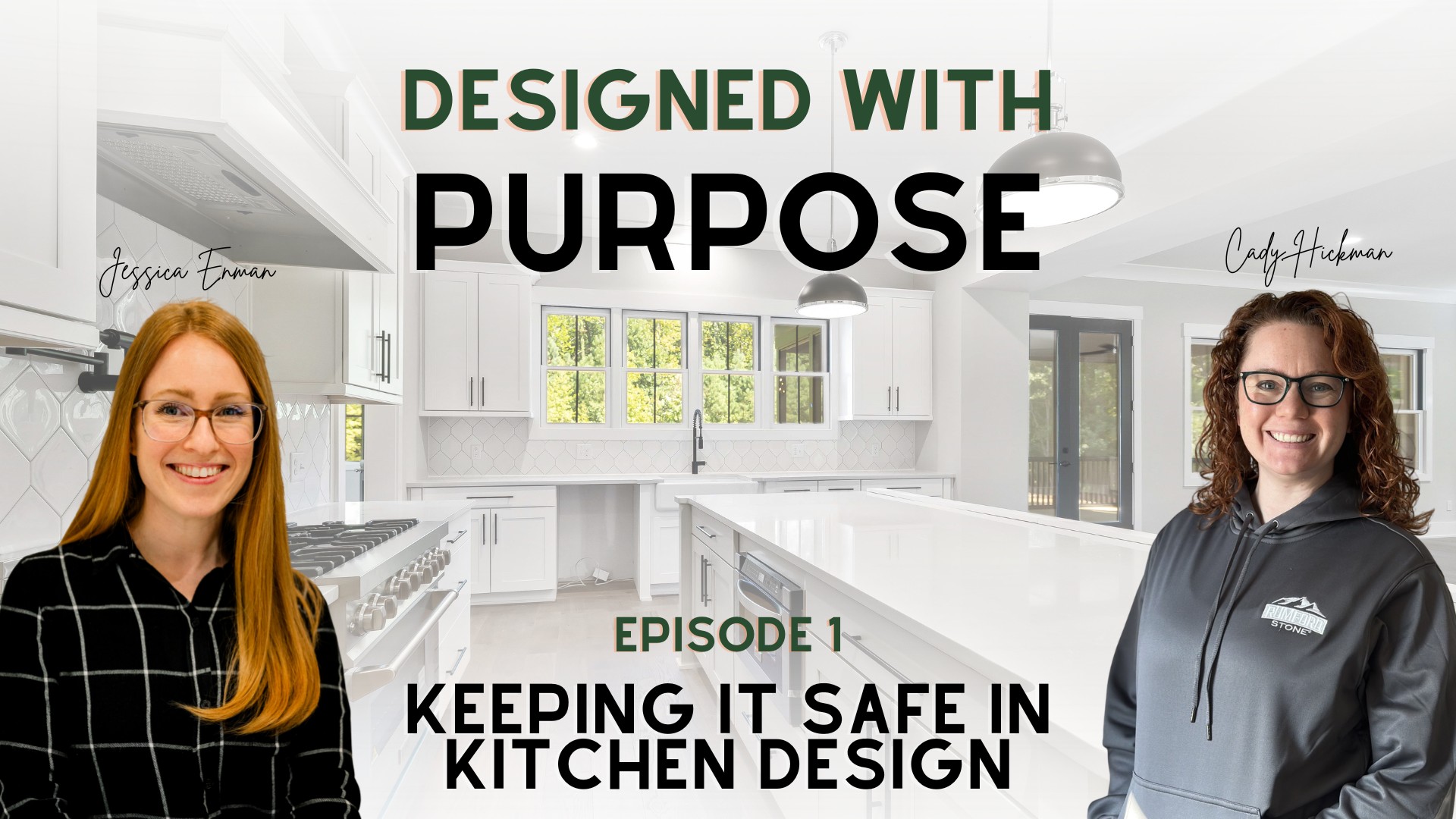
“Keeping it Safe in Kitchen Design”
Cady Hickman:
Hi everyone. My name is Cady Hickman, and welcome to Designed with Purpose where we are talking about trends in the kitchen and bath industry. Today I am joined by Jessica Enman from Hancock Lumber in Brunswick, ME. She works closely with homeowners and builders on kitchen design and we are so excited to have her today. Jessica, thank you for joining me.
Jessica Enman:
Thank you for having me.
Cady Hickman:
For anyone who hasn’t met you yet, could you tell us a little bit about your role at Hancock Lumber, as well as the types of projects that you usually work on?
Jessica Enman:
Sure. I’ve been with Hancock about 10 years now. I am a kitchen designer, so I meet with homeowners, interior designers and contractors and start from the very beginning. If it’s a new build, they have house plans and I help them conceptualize what they want and take that all the way through the process, seeing the installation process through with the contractor, working pretty much on a daily basis with them and helping through any little bits and pieces that may need to be tied up at the very end.
Cady Hickman:
How did you find your way into kitchen design?
Jessica Enman:
I think everybody has a weird answer for this one, but I went to school to be an architect. I got my bachelor’s degree in architecture and throughout that process realized that wasn’t exactly where I wanted to be. I thought I belonged more in the interior side of the business. When I got out of school, that whole field was not doing well because it was 2012 and we were coming out of the 2008 recession. So I took a job as a kitchen designer at another company and thought that would be a small stepping stone and then I would eventually do something else. Now I’ve been in the business for about 14 years and I really like it and don’t see myself doing much else. It just worked out that way.
Cady Hickman:
It sounds like it. What do you love most about working directly with homeowners during the design process?
Jessica Enman:
I think it can be really nerve-racking for homeowners. On average, most people only do this once or twice in a lifetime and building their trust and helping them to better articulate what they’re looking for is a big part of it. Sometimes it’s in their mind, but they don’t know how to tell you truly what they want or they don’t know what they want and they need someone to give them the options and guide them through that. I really enjoy that process. I’ve been known to be a really good listener and then just seeing it through to the end and them inviting me over for a party with all of the contractor and the subs and everybody who’s been involved and seeing it all come to life is really cool.
Cady Hickman:
That’s excellent. I’m still in the renting-only phase. So I imagine when I get to the phase where I am renovating, I will need a Jessica because I will have no idea what I’m doing.
So today we wanted to talk about playing it safe in kitchen design, the concept of “playing it safe” and why it became so popular, as well as where homeowners can take some risks to add a little bit more color or maybe some different design elements. So for you, Jessica, what makes a kitchen “safe” and why do you think this approach has become so popular in kitchen design?
Jessica Enman:
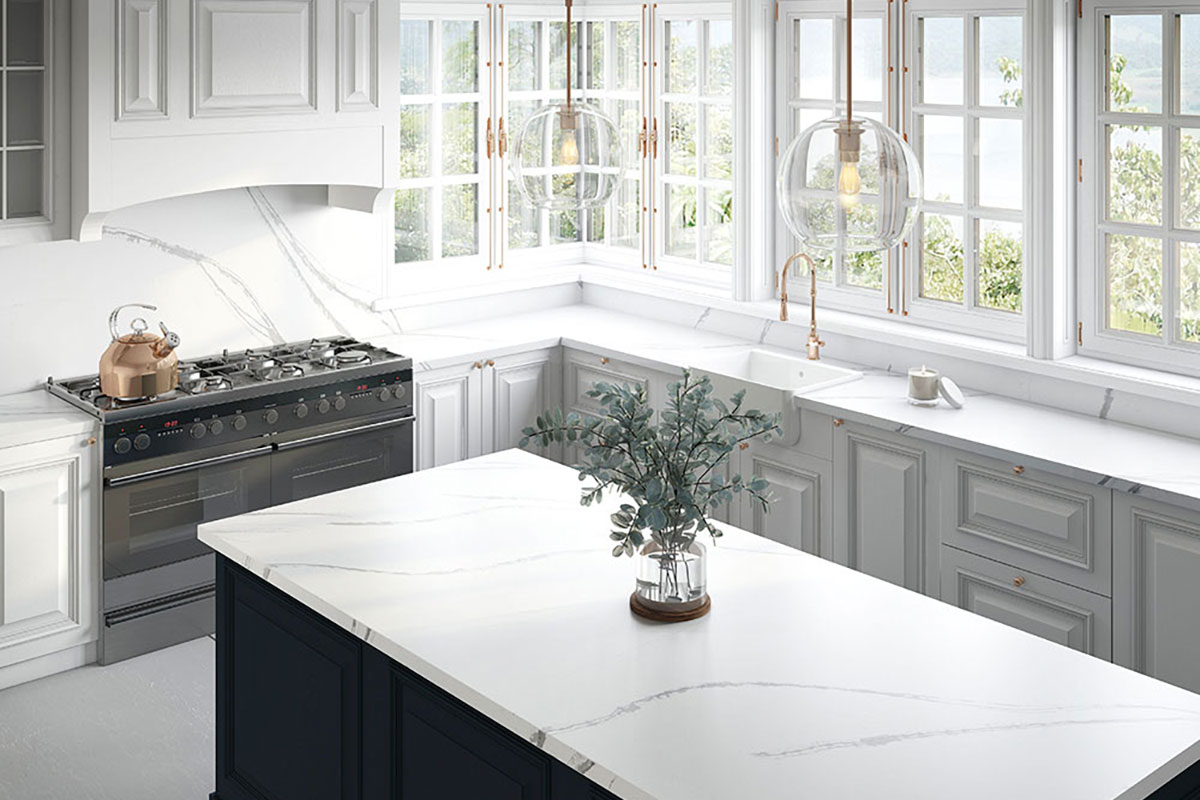
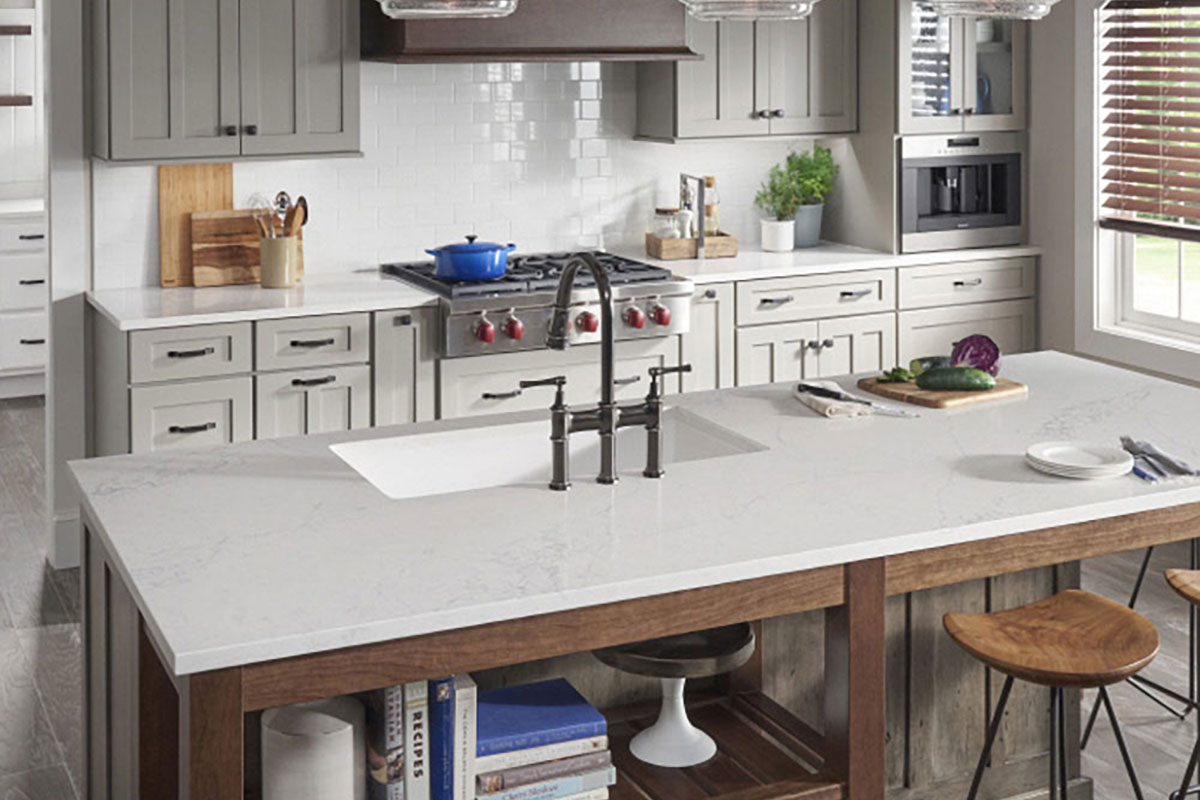
I think it’s a multifaceted answer. People have been so caught up in resale and we see it a lot on HGTV and other TV shows that resale, resale, resale — it has to be something that is universally liked. That somehow just got whittled down to white shaker cabinets and eventually a white marble-looking countertop. As designers we have gotten really bored with that and have really wanted people to branch out and do more exciting things. So it’s exciting that we’re maybe turning the page on that.
Cady Hickman:
I hope so. I like color. When homeowners say that they want something timeless, what do you think element-wise they are usually asking for?
Jessica Enman:
I think the cabinets are a big part of that. I hear from a lot of the baby boomer generation that they don’t want the avocado green. They don’t want all those things that they’ve seen their parents or in their own kitchens that they’ve lived with. They don’t ever want to see those things again because they know exactly when they were put in. When we’re looking for timeless, that’s what we’re trying to stay away from — something that is stereotypical from a certain time in design history.
Cady Hickman:
Do you still see the request for timeless and safe coming in or have the requests from homeowners slowly started to shift?
Jessica Enman:
I don’t think they’re specifically asking for it to not be timeless. It’s still something of importance, but I think people are realizing that maybe they’re going to stay in the house they’re in for a long time or forever, and it’s more important to them that they really enjoy the environment they’re in and that it’s more unique to them.
Cady Hickman:
That makes sense. So what are you seeing replace the all-white kitchen? What elements are starting to replace it and how can a homeowner move away from that look and add more color and detail into their kitchen without being too overwhelming?
Jessica Enman:
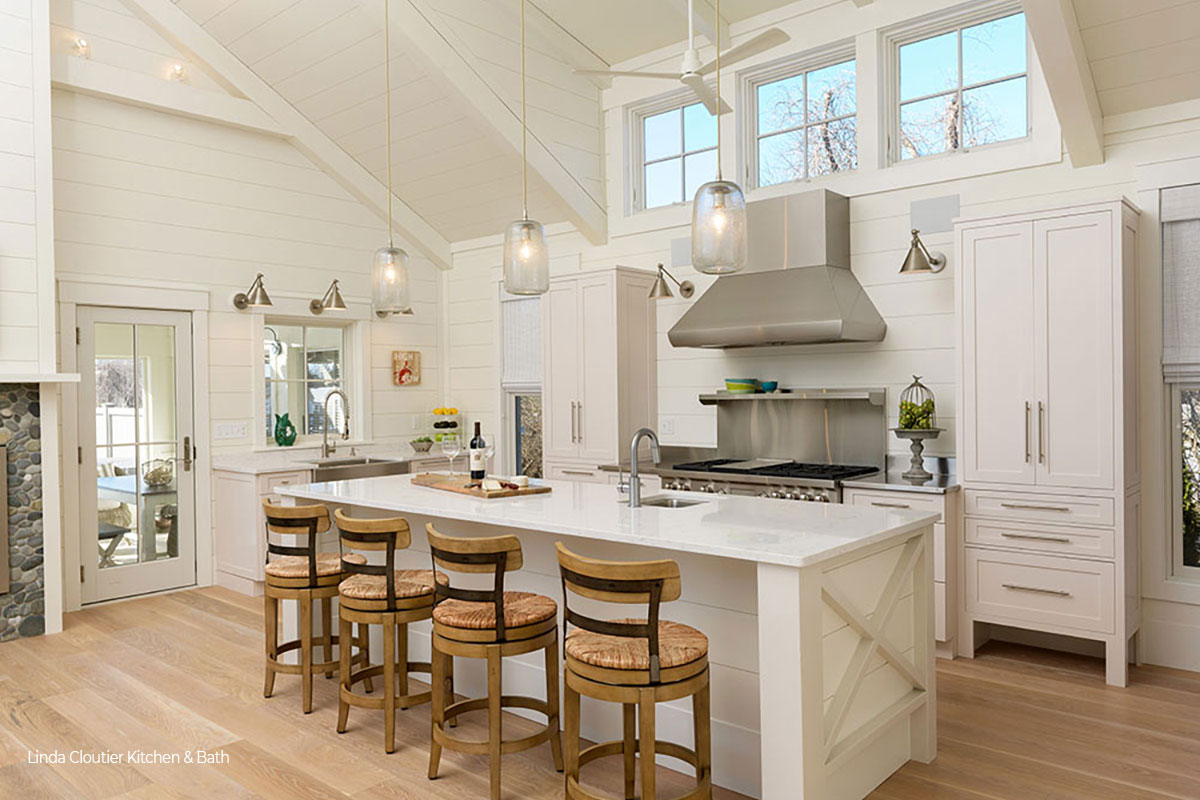
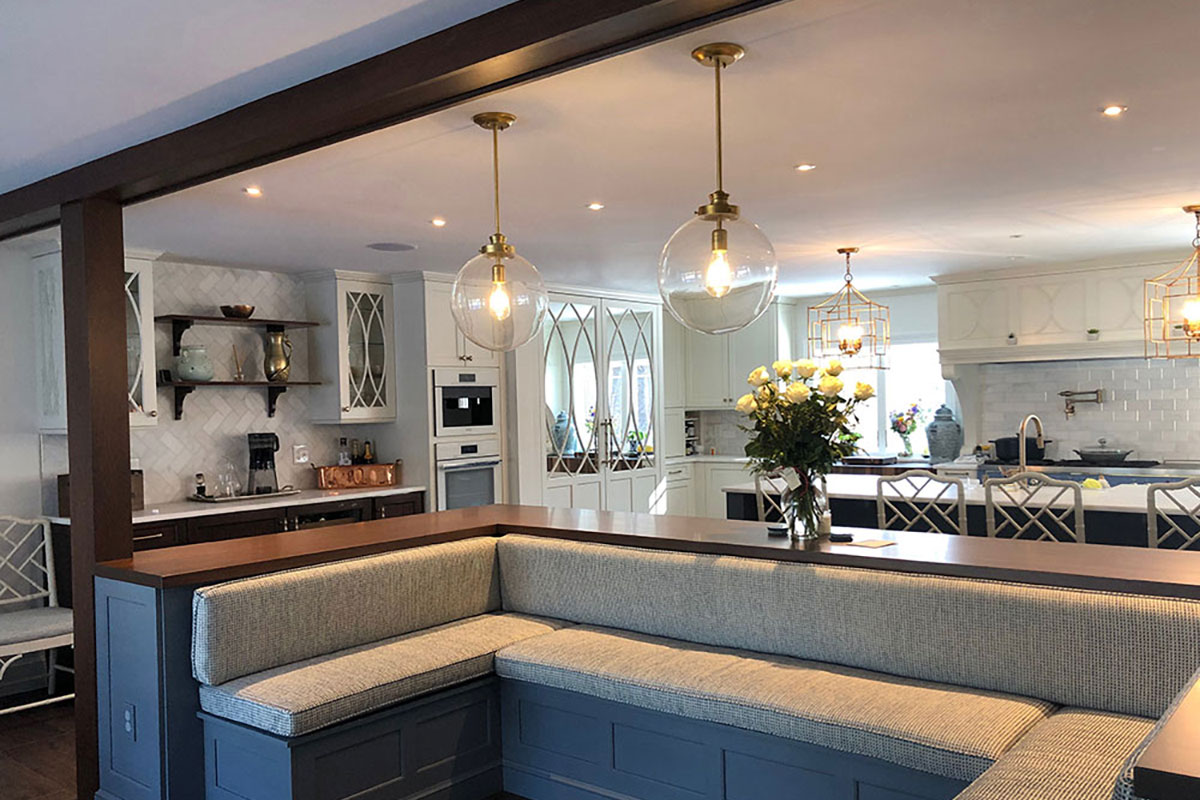
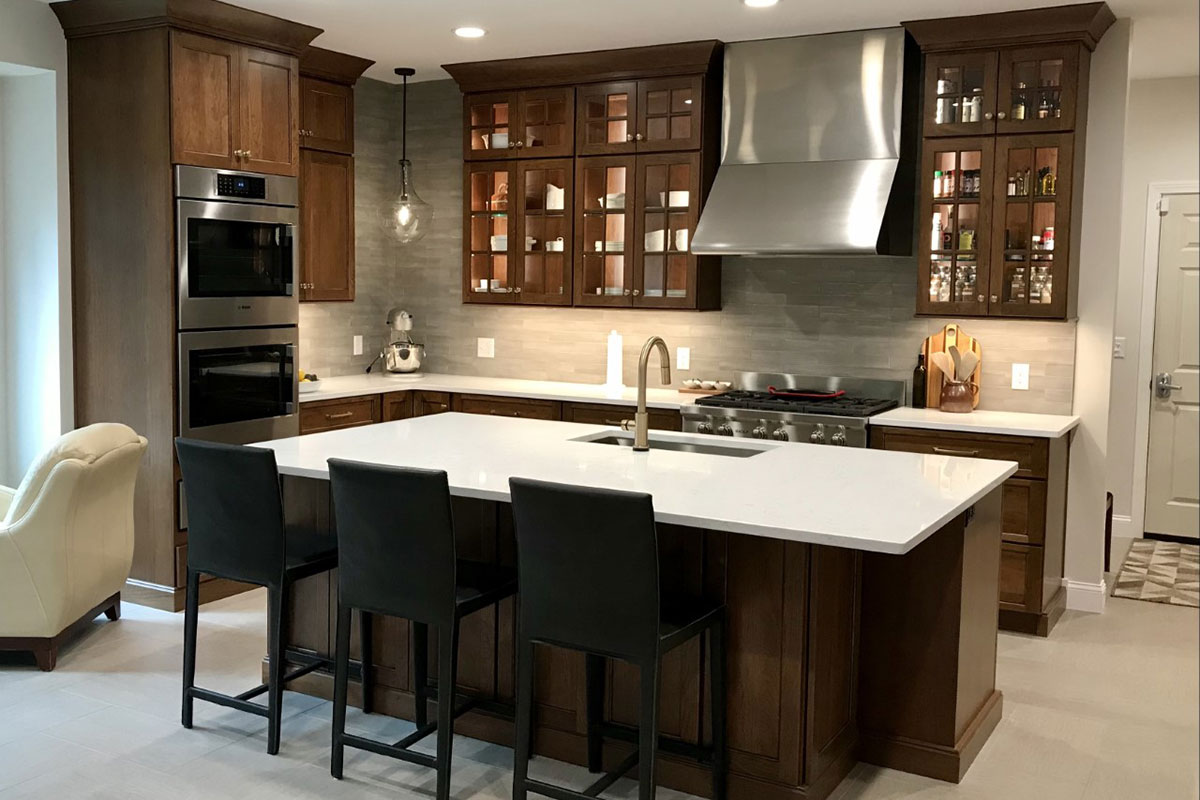
It seemed like almost overnight we went from that all-white kitchen to more warmth and wood. Wood cabinets are becoming very popular. We’ve gone from black hardware and satin nickel to warm brasses and bronze. Some people are going all out, but others are sticking with a white kitchen and adding a little bit of wood accent on their range hood or some floating shelves, which is a good dip-your-toes-in way to do it.
Cady Hickman:
Speaking of the wood and the cabinetry, what wood tones and finishes are homeowners gravitating toward?
Jessica Enman:
They want to see the wood grain, but they don’t necessarily want the reddish or orangish wood that we were seeing in the 80s and 90s that everybody has slowly been replacing. More whitewashing seems to be coming back and more beige stains that cover up the red or the orange in the wood and make it a little more neutral and beachy.
Cady Hickman:
Are you seeing more consumer confidence around color? Either not necessarily in cabinets, but maybe in countertops or accents?
Jessica Enman:
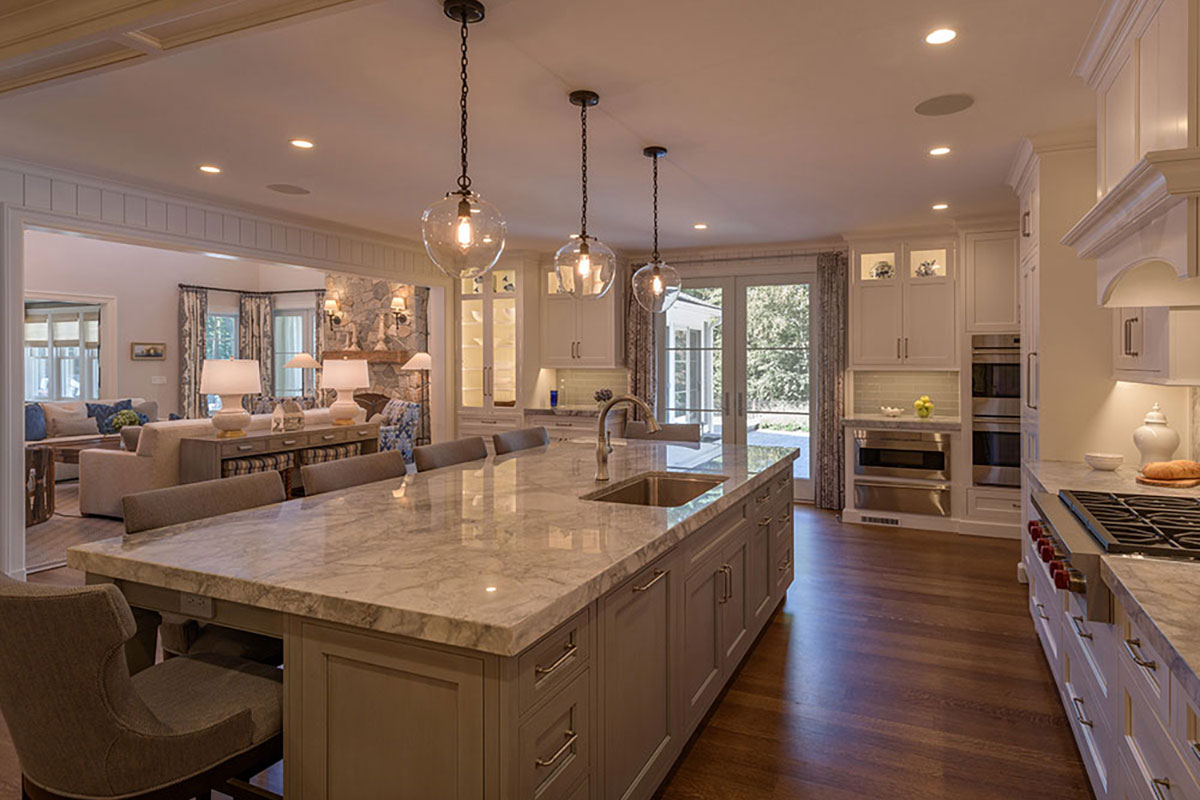
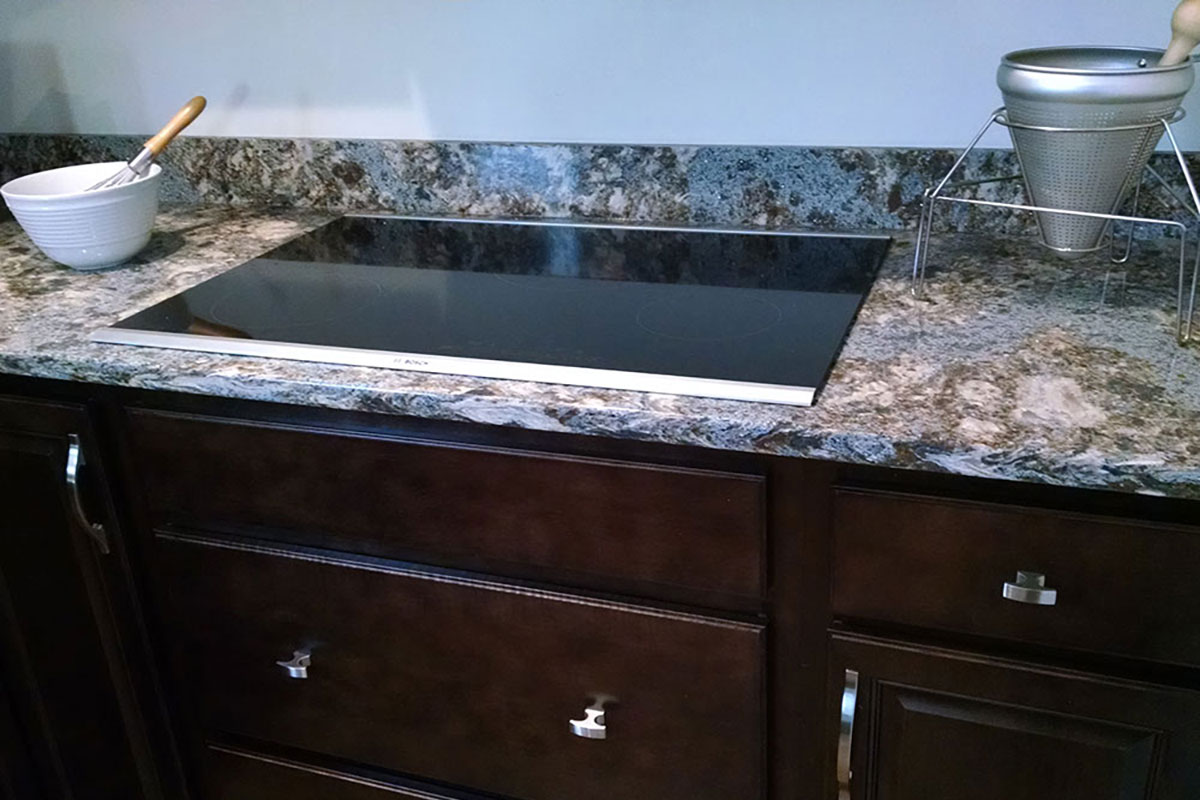
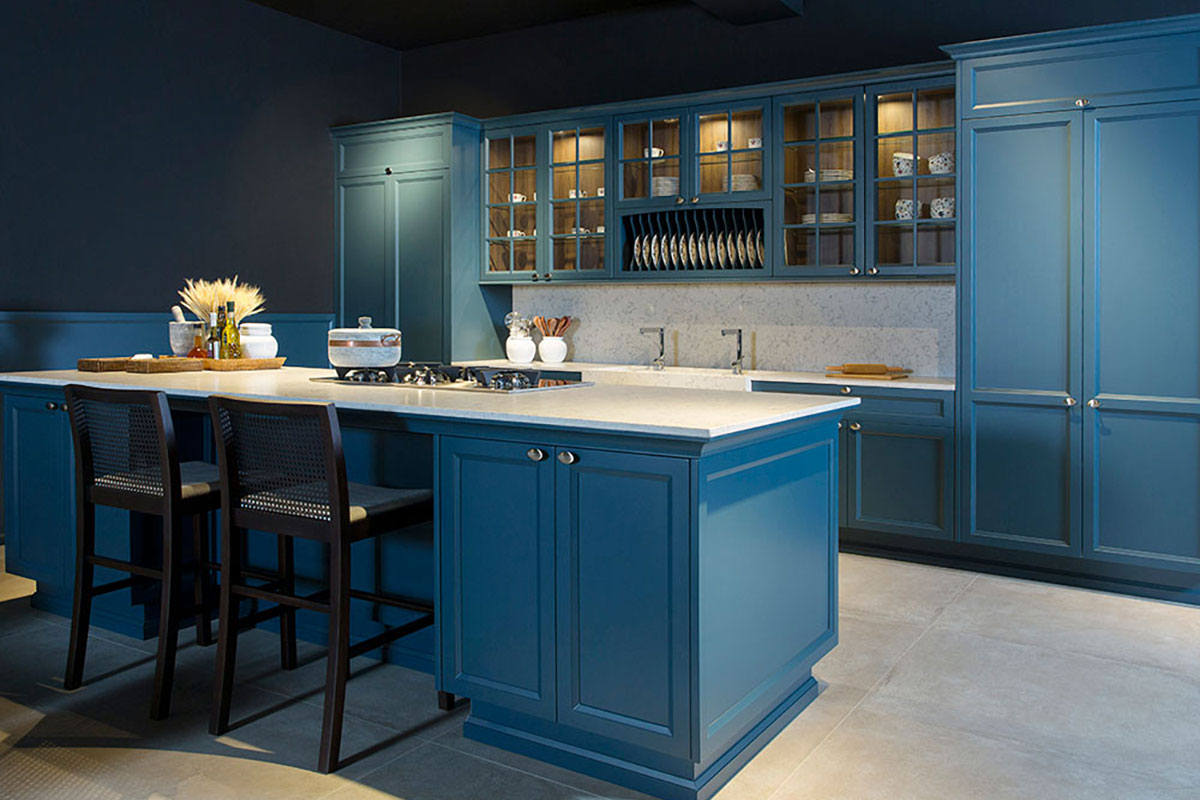
I’ve done a lot of quartz countertops with blue veining. Straight blue countertops have been pretty popular. Blue backsplash as well. A lot of people, if they don’t want to commit to the whole kitchen being color or wood, will do just the island. If in 10 years you don’t like that color anymore, it’s not the end of the world to have your island repainted or even put a different countertop on your island down the road.
Cady Hickman:
Are there other types of details that people are more open to now, either mixed materials, different moldings or hardware choices?
Jessica Enman:
I think overall more fun. They feel less restricted and if they bring in a picture from Pinterest or out of a magazine that’s got some bright color to it, they’re really looking to match that color and not tame it down like in years past.
Cady Hickman:
Can you describe a recent project where a client took a risk and it really paid off?
Jessica Enman:
I had a job in Yarmouth recently. She’s about my age and she wanted to do a whole green kitchen and it was more on the subdued side, really pretty. She asked my opinion and I said go for it, it’s beautiful. Her mother was taken aback and asked if she was sure she wanted to commit to all this. She was a little nervous about it, but she went for it and chose some really fun wallpaper that her contractor was questioning. I recently went back to the job and it looks beautiful. She said her friends and family have really come back around and said these were really cool choices. They were bold, but they looked really nice.
Cady Hickman:
That’s great. At Rumford Stone, we are focused on countertops and we get a lot of requests for neutral colors or slabs that have a lot of white or gray overtones. What trends are you seeing for countertops and how does that complement everything you’ve shared so far?
Jessica Enman:
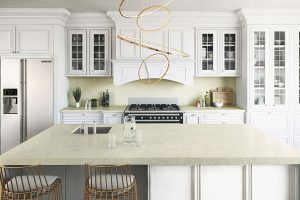
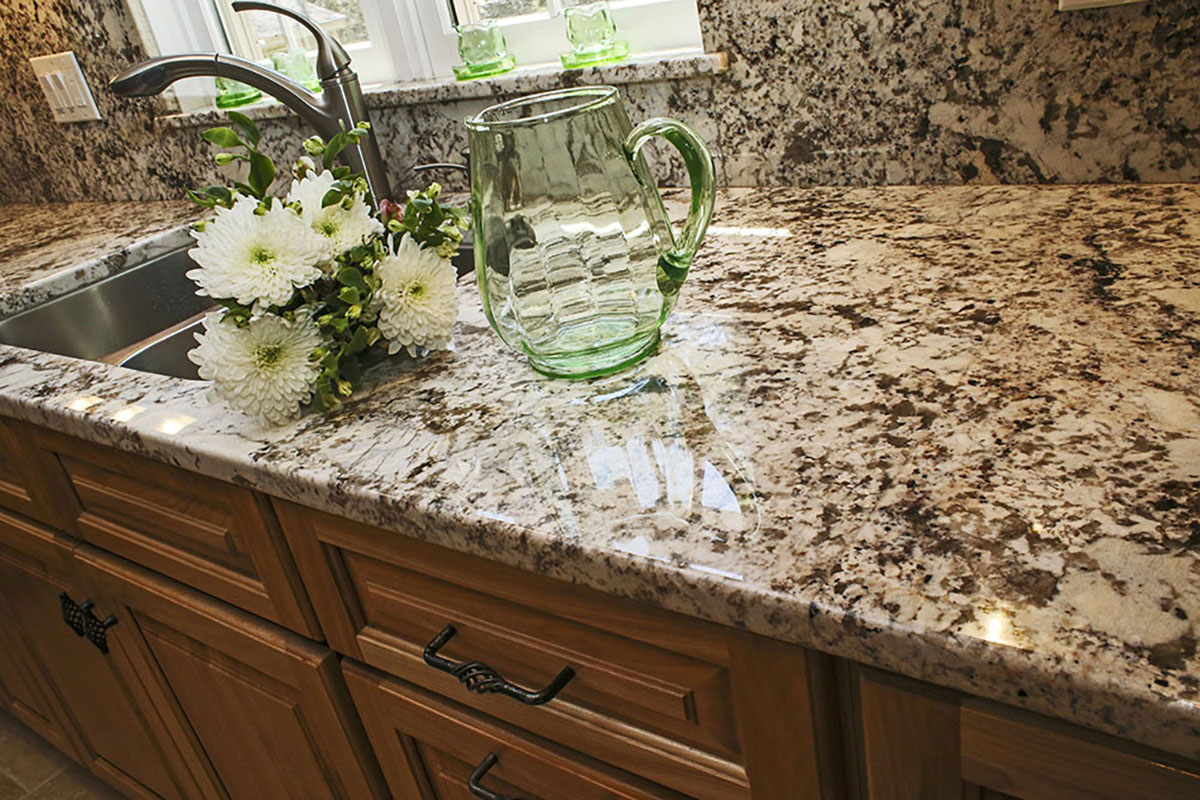
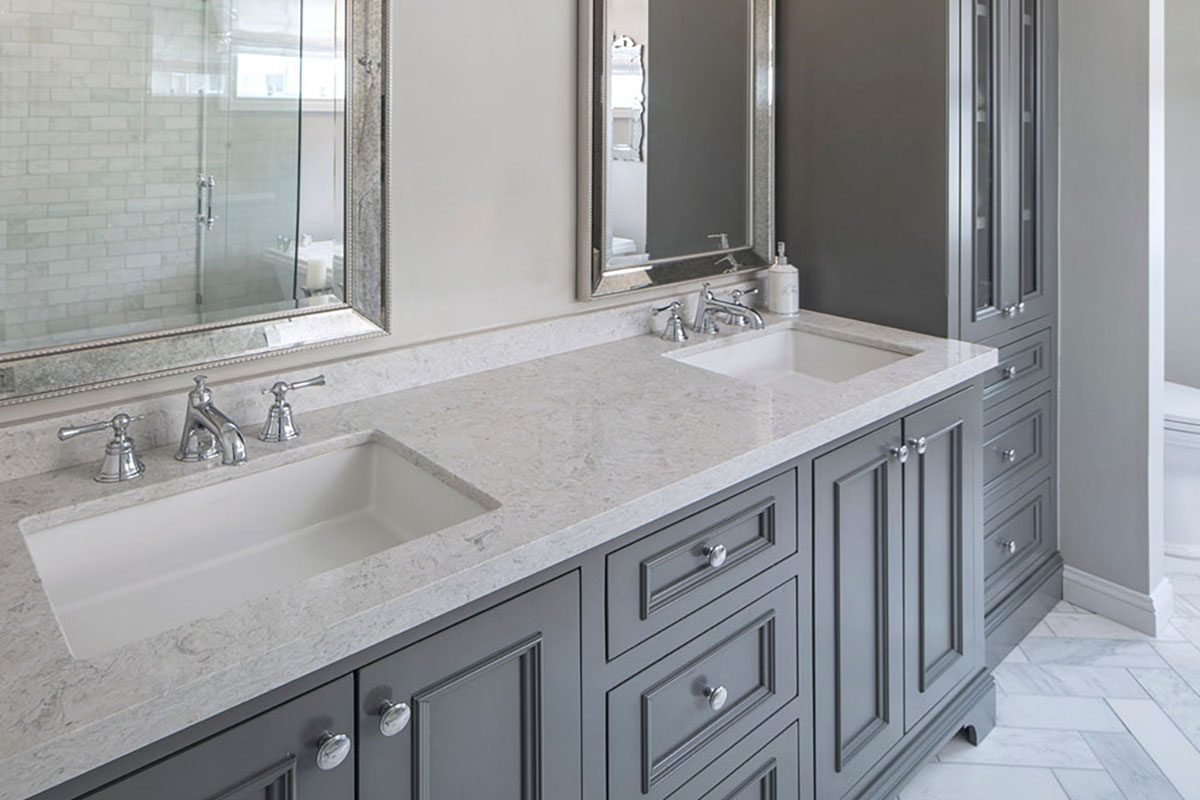
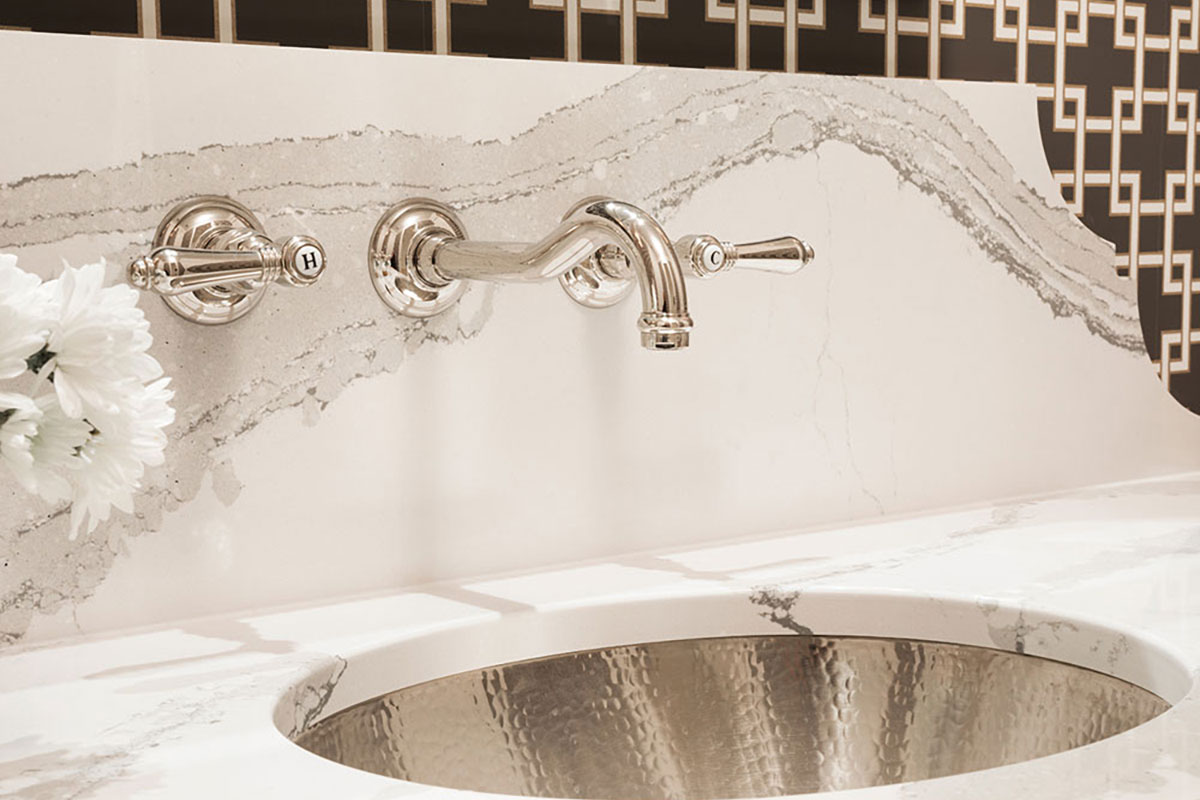
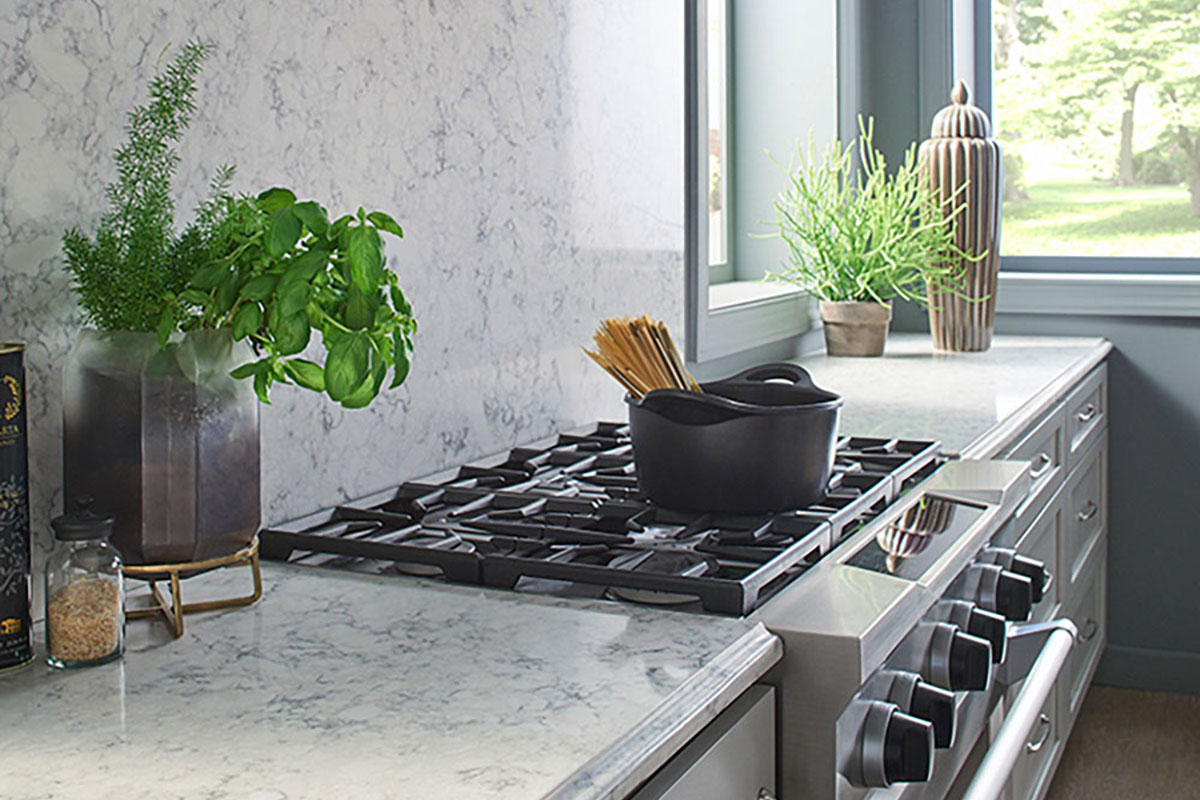
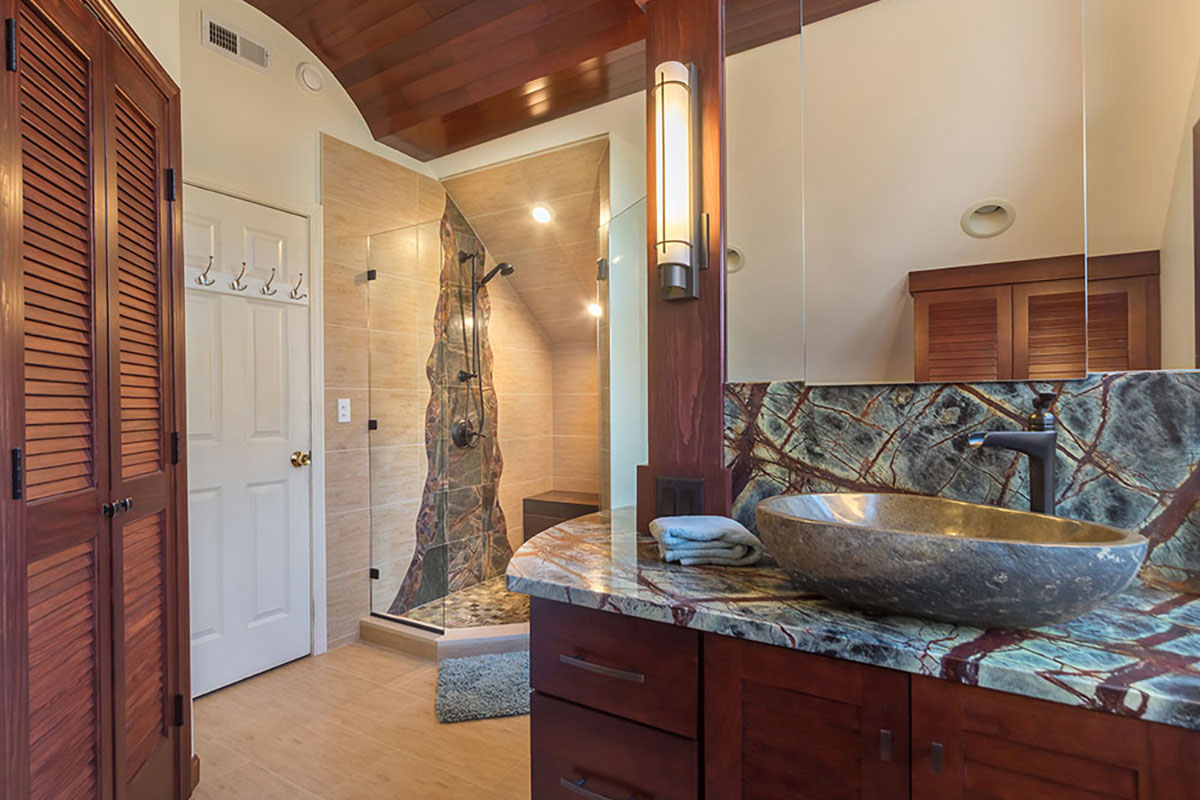
I think it’s similar in the countertop world. The man-made whites with gray marbling are not as popular anymore. A small step away from that would be adding brownish veining or even gold veining into the white slab. Going further away, quartzites that are very warm and natural are becoming more popular. I’m doing a kitchen in Taj Mahal right now, which is really exciting and just different than what we’ve been seeing in the last five or ten years.
Cady Hickman:
It was nice to hear you say that people like the blue veining because I’m a blue fan. I try to fold it in wherever we can, so to know that other people design-wise are trying to fold in more of the blue and cool tones is encouraging. I’m always a sucker for blue cabinets, even though that takes away the natural wood coloring, but I’m pretty sure I’m destined for a blue kitchen.
Jessica Enman:
I think they’re beautiful.
Cady Hickman:
You talked about resale and I had the feeling that that’s where a lot of the de-coloring and de-patterning of kitchens was coming from. How do you help clients balance their personal taste with that long-term value they’re seeking out of renovations?
Jessica Enman:
A lot of that comes from the confidence of the designer, making them feel comfortable with what they’re looking to do and reassuring them that it’s still going to look nice in five to ten years. If they truly think they will sell the home in a few years, I encourage them to still make bold choices but something that isn’t as much of a commitment — like doing a colored or wood island, floating shelves or fun wallpaper.
Cady Hickman:
What design decisions hold up really well over time, even if they aren’t neutral?
Jessica Enman:
From the cabinet world, if they want to do a really fun color, stick with a more timeless door style so you’re not doing anything crazy on the cabinet doors and maybe stay more safe on the countertops so everything is not on the extreme end of things.
Cady Hickman:
That makes sense. And that’s why I would need a Jessica, because I’d be scared of what my designs would look like. What is a common misconception that people have about resale and kitchen design trends?
Jessica Enman:
If it’s anything like the market here in Maine, we have spent the last 10 years talking about resale and going with safe choices, and then in the end the person who buys the home rips everything out and does what they want anyway. So it really did not matter in the end.
Cady Hickman:
That’s a great lesson because I think that speaks to the housing situation in New England in general. Consumers can feel comfortable knowing that it probably won’t affect resale value the way they think it will, depending on what elements they add. They can have confidence adding personal touches, blue if that’s their thing, and not worry as much about resale value. For somebody planning a kitchen right now, where would you suggest they take one step outside of their comfort zone?
Jessica Enman:
I have a lot of homeowners who do that in the countertop. They stay fairly safe and neutral on the cabinets and go more fun on the countertop or backsplash. If you really don’t want to commit, you could do a pretty neutral kitchen and just do peel-and-stick wallpaper for an accent wall. If you don’t like it or the next person doesn’t like it, you just take it down and no big deal.
Cady Hickman:
Is there a low-risk way to introduce warmth into the kitchen without committing to a full overhaul?
Jessica Enman:
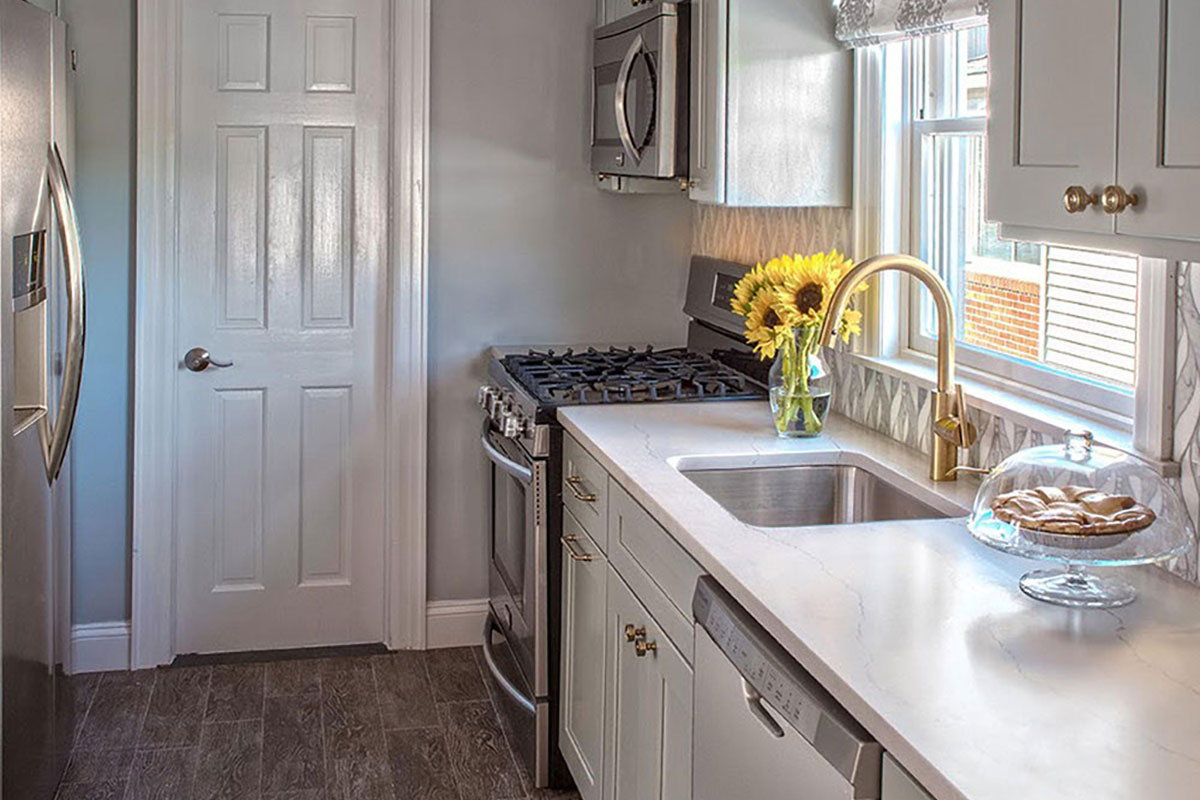
We’ve had people who are tired of satin nickel or black hardware and they swap it out to brass. As long as it looks nice with the cabinets and countertop, that could be a really easy, do-it-yourself and low-cost way to change it up.
Cady Hickman:
What’s one question homeowners should be asking themselves before finalizing their kitchen design?
Jessica Enman:
As designers and homeowners, we can get stuck in the aesthetics of the kitchen — symmetry, scale — but really stopping to ask: is it functional for your family? Is the layout functional? Do you have the right storage solutions? Does the countertop work for your lifestyle? Despite what it looks like, is it actually going to work for what you need it to do?
Cady Hickman:
As we’re wrapping up, what excites you most about where kitchen design is heading?
Jessica Enman:
People having more confidence in doing what makes them truly happy. As opposed to designing the safe kitchen and seeing it through to the end, personalizing it with color, wood or anything like that is far more rewarding for me to see come to fruition.
Cady Hickman:
And the last, most important question, where can people see or learn more about the work that you are doing?
Jessica Enman:
I am on Instagram — Kitchen Designs by Jessica — and Hancock Lumber has a fabulous website where we show a lot of our work and some great inspiration as well.
Cady Hickman:
Jessica, thank you so much for spending the afternoon with me.
Jessica Enman:
Thank you.
Cady Hickman:
And to everybody watching, we hope you join us next time. Thanks so much.
Jessica Enman:
Thanks!
For more information on Jessica Enman and Hancock Lumber:
Facebook:
https://www.facebook.com/HancockLumberKitchenDesignShowroom
https://www.facebook.com/HancockLumber
Instagram:
https://www.instagram.com/kitchendesignsbyjessica/
https://www.instagram.com/hancocklumber/