Designed With Purpose, Ep: 2
Guest: Lauren Nelson, LC Designs
Cady Hickman:
Hi everyone. My name is Cady Hickman and welcome to Designed with Purpose, where we talk about trends in the kitchen and bath industry. Today on Design with Purpose, I am joined by Lauren Nelson from LC Designs. Lauren works closely with homeowners to design bathrooms that balance practicality with comfort, creating spaces that support how people move through their daily routines. Lauren, thank you so much for joining me.
Lauren Nelson:
Awesome. Thanks for having me. This is exciting.
Cady Hickman:
So my first question for you, for anyone who hasn’t met you, can you tell us a little bit about yourself and the history of LC Designs?
Lauren Nelson:
Sure. So I started in the kitchen and bath industry back in 2001 down in just south of Boston, and I started in the warehouse for a company and worked my way up. I actually started designing kitchens and baths probably in 2003, maybe 2004. I moved to Vermont about 18 years ago and worked for several other showrooms before going out on my own six years ago. And I just love design. I love designing kitchens, bathrooms, any room in your house that has cabinetry. I like working with homeowners.
Cady Hickman:
What do you enjoy most about helping homeowners rethink their spaces?
Lauren Nelson:
It’s really exciting because every house is unique and every homeowner and family is unique. Just when you think you’ve seen it or heard it all, you have not. It’s really exciting to get to pair a design that fits perfectly with the needs and requirements of a family, also while making it look great and function well. So it’s exciting getting to work with people on – usually your house is your most valuable possession that you own. So getting to work on that with people and make it more comfortable and more functional for the families is always super exciting.
Cady Hickman:
So today we are going to be talking a lot about bathrooms. We’ve spent a lot of time the past few weeks talking about kitchens. Today we’re really going to dive into bathrooms. They’re obviously some of the most frequently used spaces in a home, but often treated as very functional instead of a place where people take a lot of intentional time to design. So my question for you, Lauren, is when you begin working with a client on a bathroom project, what are the first things you evaluate with a client?
Lauren Nelson:
Sure. So bathrooms are obviously a little bit more intimate than a kitchen. So you tend to ask some more personal questions than you would in a kitchen. I mean, no one’s really secretive about how they like to cook or anything, but you do ask questions like if it’s two spouses, are you in the bathroom together at the same time? Or are you more of a take turns kind of thing? I’ll ask things like, what’s your water pressure, especially when we’re talking about shower design. Do you want just a single shower head? Can you have more than one?
And then more personal questions like, do you store a lot of medication? Do you want to store towels in here, or are those stored somewhere else? In my bathroom personally, we don’t store linens in the bathroom, we just don’t have the space, so they’re in a hall closet. So you ask how they use the space. Do you want a separate bidet or a bidet toilet seat? Do you want a medicine cabinet or just a mirror? Do you put makeup on in the bathroom and need specific lighting? Bathrooms are fun because you really get personal with the space. Like you said, bathrooms are a necessity, but that doesn’t mean they have to look utilitarian. They can be fun, they can be whimsical, or they can stay simple if that’s what the homeowner wants.
Cady Hickman:
I’ve never thought about considering capacity and how many folks are in the bathroom at one time. I know at our house we tend to – it’s a very narrow bathroom – so it tends to just be one at a time. But the problem is if it happens to be two people in there, a dog also has to come in. So then actually the capacity has to be two humans and a dog. We’re trying to teach her that she needs to take her turn, but so far it’s not working.
What are some of the most common frustrations that homeowners have with their existing bathrooms?
Lauren Nelson:
If it’s an older home, it’s usually that the vanities are really low. Traditionally, vanities would finish around 30 to 32 inches, and now we typically do kitchen height at 36 inches. Same with toilets. We now use comfort height toilets, which are a little higher. A lot of times it’s also lack of lighting and lack of ventilation. It’s surprising how many bathrooms don’t have a fan. So it’s usually sizing issues and proportion. We’re generally taller now than we were decades ago, so having taller fixtures matters. And then there’s aesthetics. You might have a bathroom from the 70s that functions fine, but it’s just not what people want stylistically anymore. So it really runs the gamut between function and appearance.
Cady Hickman:
Do people tend to come to you with a a clear idea of what how they want their bathroom to look, or does the design process kind of dictate what the bathroom will look like based on their needs?
Lauren Nelson:
I would say it’s a little bit of both. Some people come with sort of an arsenal already with Pinterest or pictures from Houzz or – and this happens quite frequently – “Well, we were on vacation and we stayed in an Airbnb and we loved the bathroom. So I took photos like this is what I want for the shower” or, you know, “This is the the vanity mirror that I have to have.”
So you have people like that, and you have people on the other end of the spectrum that have no idea where to start and lean heavily on me to say this is what I think you should have. And I’ll tailor the process to your needs. Like if you’re the I’m super organized, “Here’s my list of what I want.” Great. I can do that. And if you need me to be more of the the initiator and say here’s what I think you should do based on I’ve seen the rest of your house talk to you quite a bit. I think this is where we should start. So it really depends on the homeowner and how how involved they are. Have they remodeled before? Have they had the experience of doing that?
Cady Hickman:
So bathroom design has evolved quite a bit in recent years, especially as people are spending more time thinking about comfort and function in the home. What trends are you seeing right now in bathroom design?
Lauren Nelson:
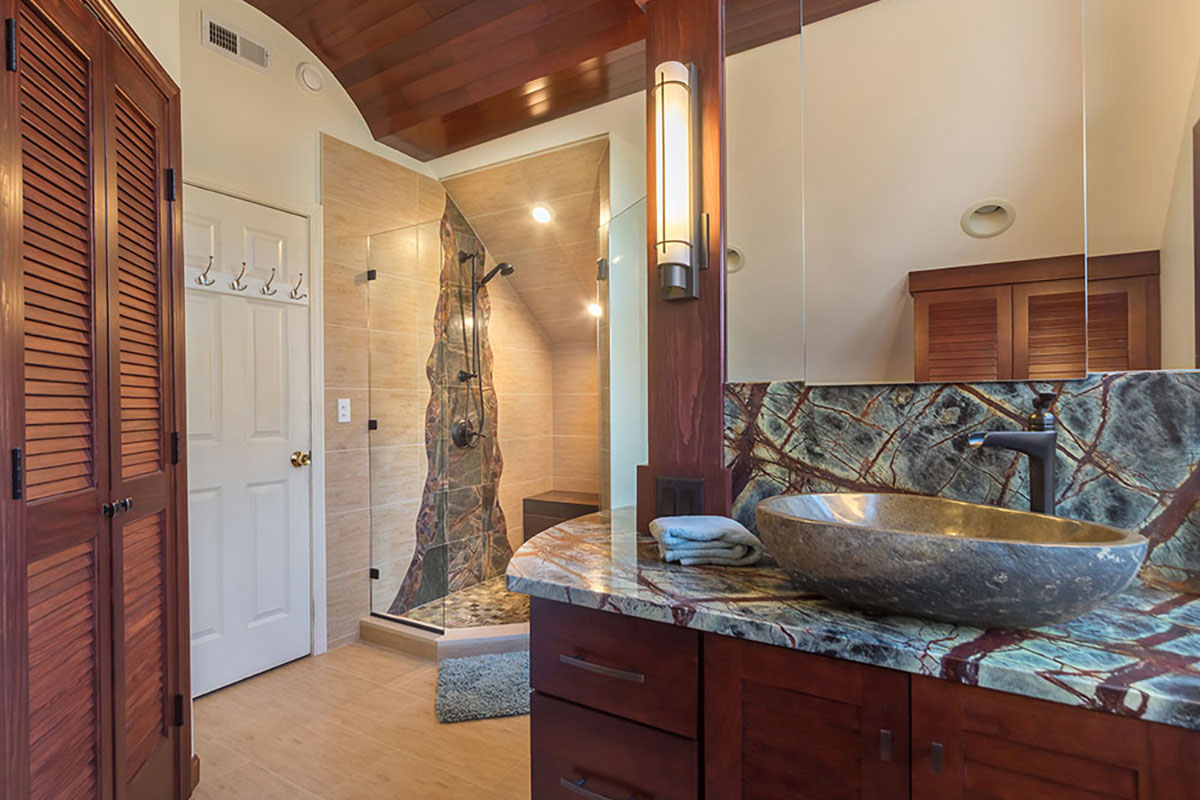
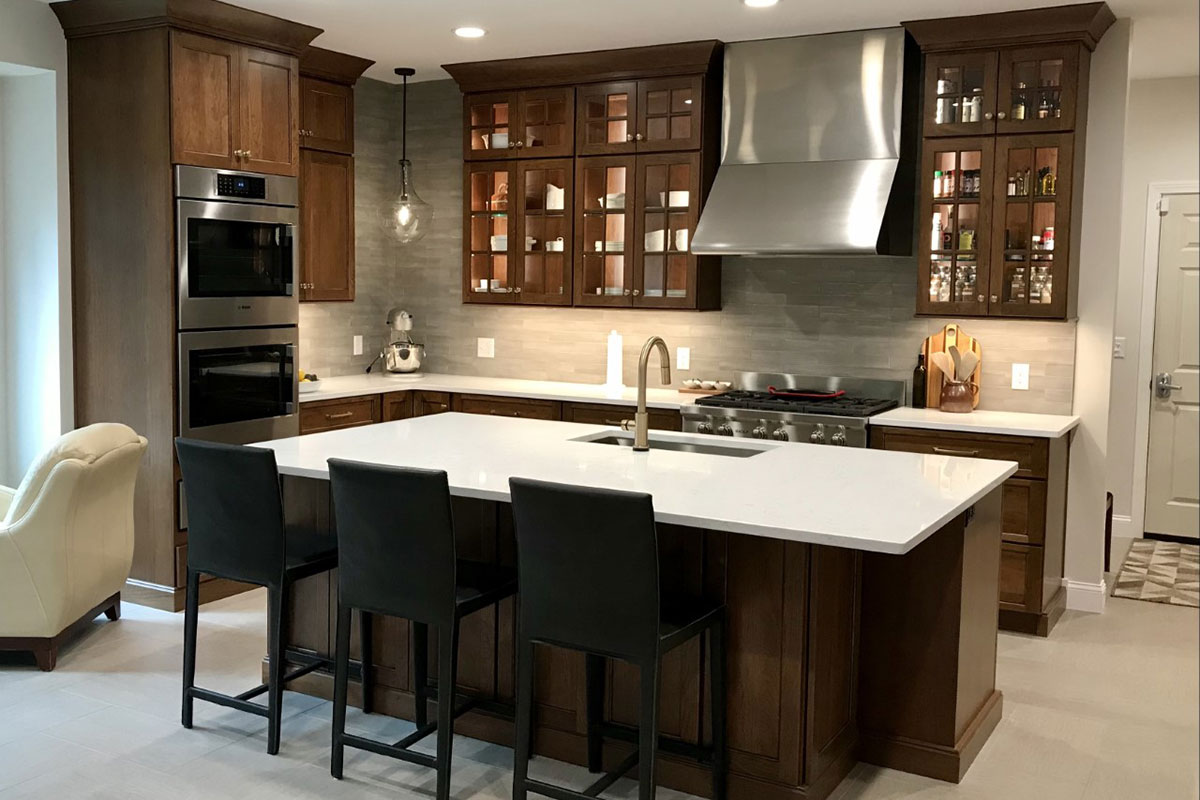
S o where I am in more northern Vermont, we tend to do more not traditional per SE, but definitely not super modern up in this area. For a long time I think color the thing was, you know, white cabinets and then bring color in in other ways. I seem to see a lot more people asking for stained woods in the vanities, which is really good. Tile, it tends to be, like, I’ve got a lot of showers now that have much larger format tile and we slope the pan in one direction. Things like that.
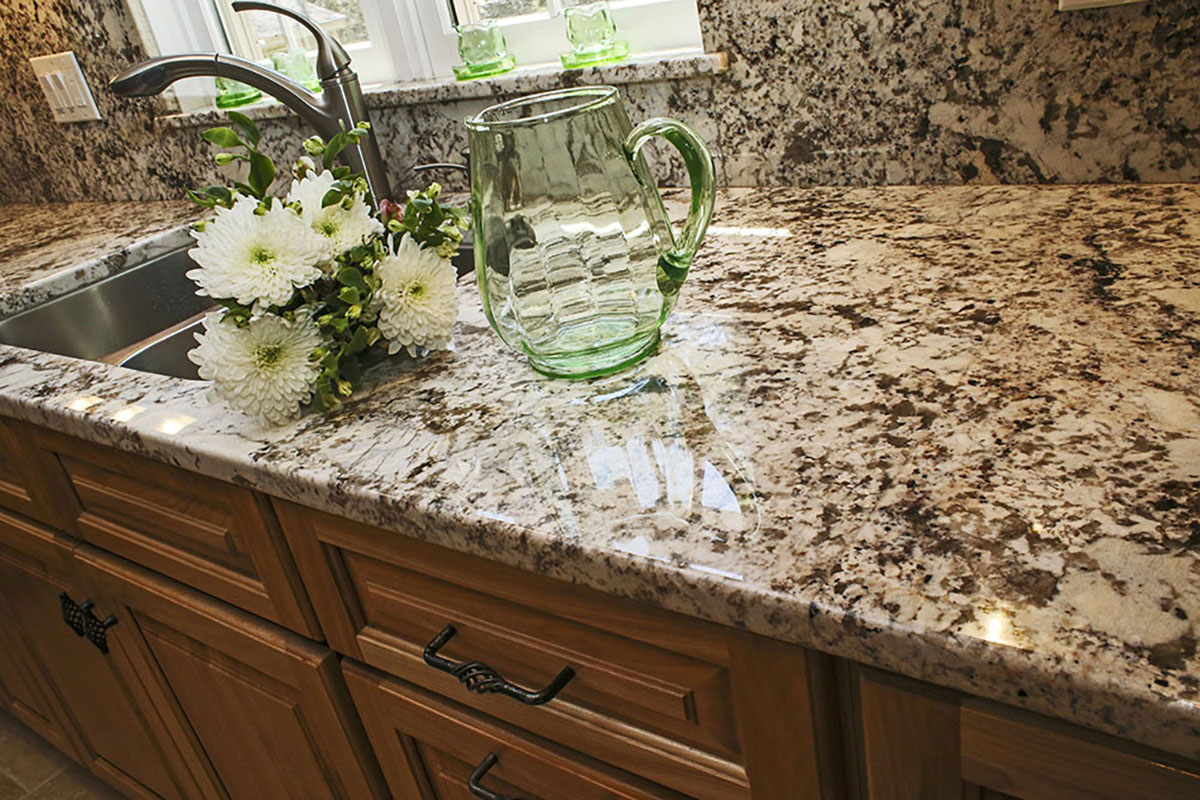
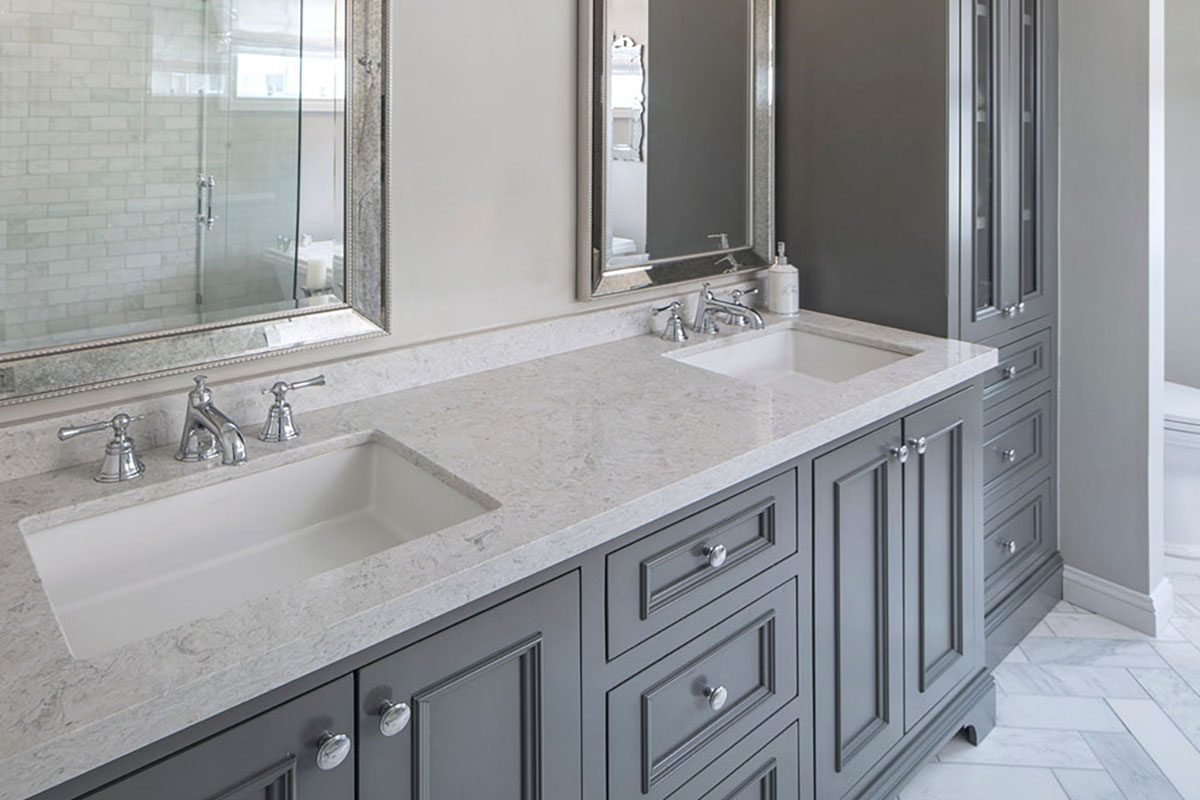
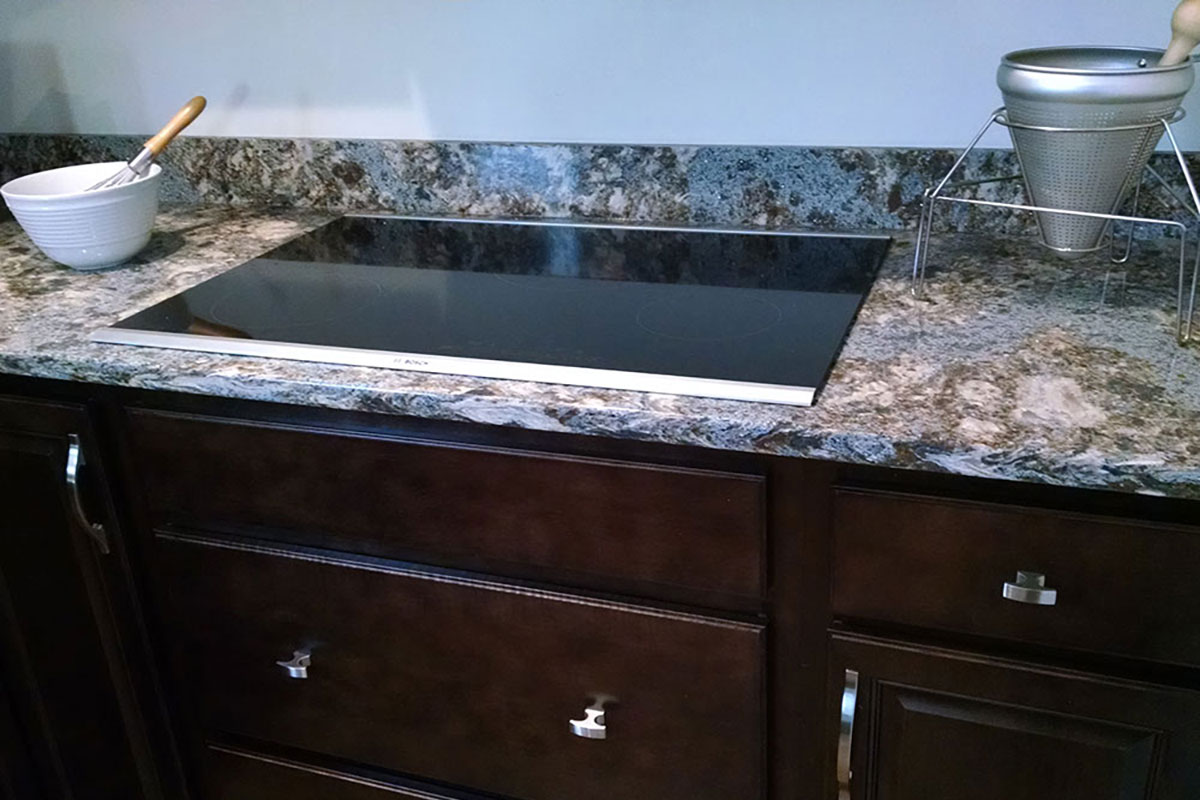
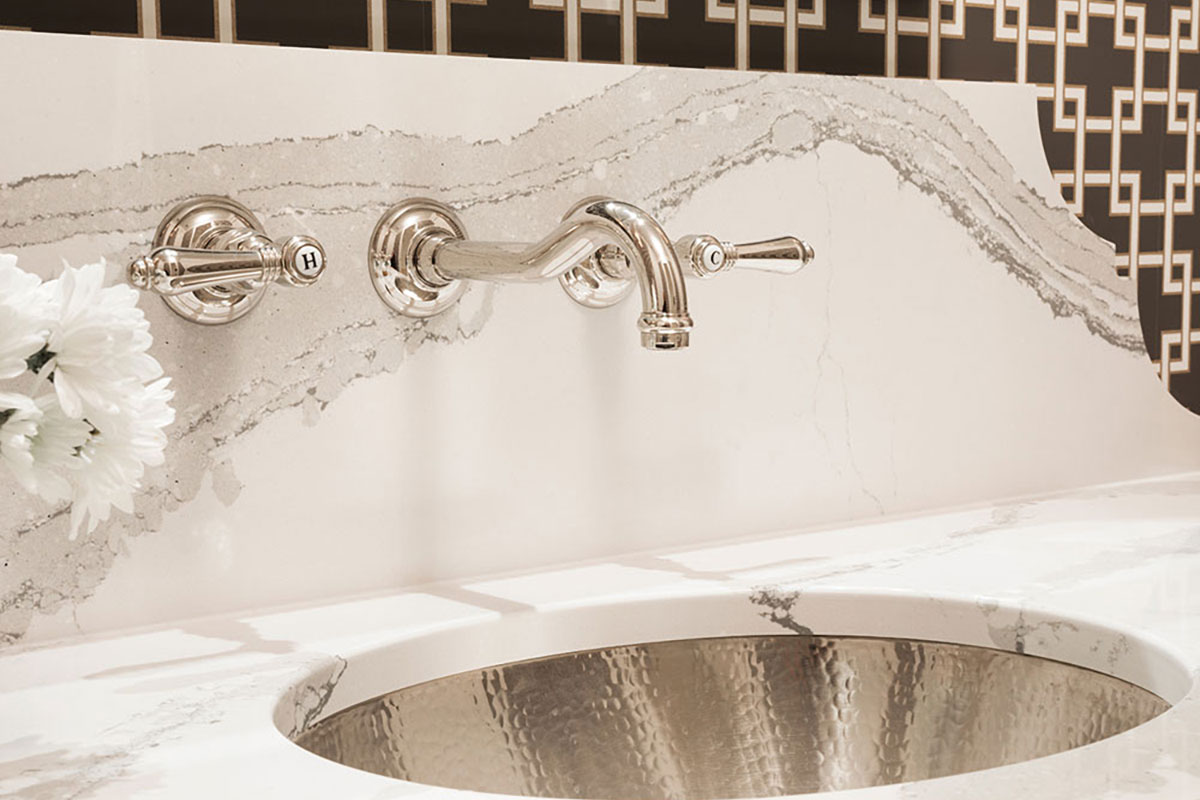
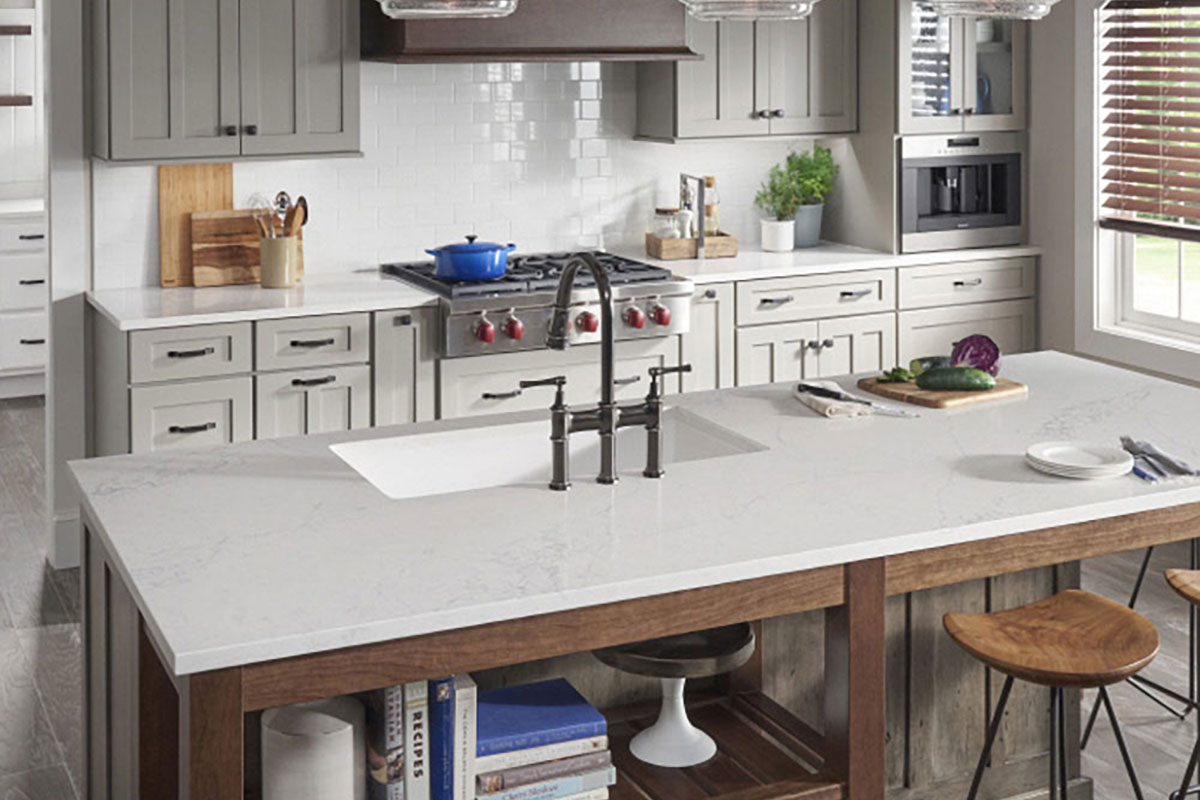
On countertops, doing a lot more quartz, definitely. I don’t know if you guys see that at Rumford, but I tend to see a lot more quartz. Seemingly more vessel sinks, which is definitely an interesting thing. If you’re a tall person, that’s super helpful. Or if you have a tiny bathroom, a vessel sink is nice because you just get a little bit more countertop space around it. I think seeing that, seeing higher backsplashes with the stone, you know, maybe the stone going up a foot or so. Faucets coming out of the wall as a wall-mounted faucet, as opposed to what you typically see coming up out of the counter. So I think just being more open, homeowners being more open to different finishes and fixtures and materials than what we’ve traditionally seen.
Cady Hickman:
Do you feel like people are leaning towards a spa-like environment, or are they prioritizing more practical upgrades that make the day-to-day use easier?
Lauren Nelson:
Oh, that’s a good question. I think a lot of people like the idea of a spa bathroom, but most of us live in what I would say are normal houses. My ideal shower would be a big shower with a bench and like a rain head and a few others body jets and have plants hanging in there, but I don’t have the space for that.
I do think having a calming, relaxing space for a bathroom is important cause oftentimes we’re in a rush in the morning when we’re in there getting ready and so having that tranquil space, like tranquil tones in the in the wall color and fixtures and things like that is important, but obviously functionality and storage is important too. I mean, we all tend to have a lot of stuff.
I know I’ve been in bathrooms where literally one spouse has ten different lotions. “I’ve got a lotion for my face, one for my neck, one for my elbows.” Things like that. And so half of the bathroom needs to be uber storage and lots of compartments. And then the other spouse is like, “I use this bar of soap for everything”. The storage capacity and making it functional, but look nice and and being calming – obviously, clutter tends to not be calming. So if we can hide the clutter, if you need to have all those things, we can try to hide it and make it more zen in the space.
Cady Hickman:
Yeah, I would be embarrassed to admit which of those spouses I am, unfortunately. But to be fair, I do a lot of performing arts. So you have a lot of very specific makeup. It’s not necessarily day-to-day makeup, in my defense, but I do have more than one bar of soap and more than one lotion. I’ll admit that on camera.
Lauren Nelson:
I think most people do. It’s just really fun. That’s one of the things I like about doing this job. Just when you think you’ve seen it all, like you just said, I need to have a special mirror because I put on makeup for performing arts. So that’s a little bit different and you need to be a little bit more intense with that. So you might want something that’s a much brighter light than a in a typical bathroom. So we talk about things like that.
I’ve also been a bathroom before – like you mentioned your dog – where we wanted to make it so that they could bathe their dog in such a way that you’re not like soaking yourself.
Cady Hickman:
I haven’t seen in bathrooms directly, but in home renovations, a lot of people are taking time to design spaces to wash the dog. And now that I own a dog, I understand why you would want a separate space ‘cause it gets can get intense.
Lauren Nelson:
Mhm. It can get messy.
Cady Hickman:
It can get really messy!
We’ve talked a few times on the podcast about homeowners sort of struggling with what they want versus feeling really compelled to be very mindful of resale value. How do you help your clients sort of balance current trends with choices that will still, you know, have a long-term success?
Lauren Nelson:
Sure. And that’s kind of across the board, whether it’s a bathroom or a kitchen. So again, where where I am in more northern Vermont, I do a lot of work in the Upper Valley too. So we have Dartmouth College, for example, which is a teaching, has a teaching hospital. So we have a lot of people that come that might only be here for 5-6. It’s always a question in the beginning, “What does this home mean to you in your life stage? You know, is this the starter home? Is this your five-year home? Is it a forever home?” And so that sort of helps guide.
Cady Hickman:
Are there design decisions that tend to age well in bathroom spaces?
Lauren Nelson:
if I had to say the quintessential won’t-go-out-of-style, white vanity, dark countertops like a soapstone look. I would probably do something like Silestone, the charcoal soapstone quartz that’s not actual soapstone. That kind of combination and a white subway tile in the shower. Classic. You’re never gonna go out of style. In terms of longevity of style in your in your bathroom, That is another discussion that I have with people. “What does this house mean to you?” If they say, well, this is our forever home, we never want to move again.” I will say, well, maybe we should plan now for the future. You’re only in your 40s, but maybe we should put extra blocking in the wall so that we can add grab bars. Maybe we should make the shower if we can 0 threshold. So if you ever needed to be in a wheelchair or on crutches or a walker, you can access that. Do we need to make the door to the bathroom bigger? You know, things like that we can plan for longevity of the of the space and not it’s things that you don’t necessarily see now, we can plan for the future.
Cady Hickman:
Aging at home has been a very popular topic. I think a lot of folks are starting to realize that they’re very likely to stay in the home that they’re in. Especially in New England – there’s only so many homes available.
So you mentioned the grab bars, you mentioned the doorways. What are there any other aspects of a bathroom specifically that you would recommend people think about when they’re specifically thinking about aging at home?
Lauren Nelson:
Good lighting, obviously, because as we age, our eyesight gets worse. Something as simple as the door hardware on the door going into the bathroom and the actual hardware on your vanity. Let’s do a lever knob on the door because that’s easier with arthritis.
Same thing on the cabinets. Let’s do a pull that you can get your hand in versus a knob. Like I said, have a shower head in a separate hand spray so that if you have to put, say, a seat in the shower, like you had knee surgery and you need to be able to sit down while you’re showering. You will have a way to rinse off easily. And then the typical things like the grab bars, the taller toilet which pretty much everybody has nowadays.
Cady Hickman:
Before we wrap up, what advice would you give someone starting a bathroom renovation?
Lauren Nelson:
Gather your thoughts on what you think you really want. And if possible, start thinking about budget as well.
A lot of times it’s a bit of a chicken-and-egg situation. If you’ve never remodeled before, you don’t necessarily know what things cost, so you may need to meet with me first and go through some numbers. That helps determine whether you’re ready to move forward now or if you need to plan and save toward it. Having a general idea of what you want to spend will help guide your selections. If you’re working within a certain range, I can help steer you toward options that make sense for that budget.
You don’t need to know exact finishes or specific products, but having a rough idea of what you’re looking for is really helpful. Things like whether you want a tub or a shower, or both, and whether you need one sink or two. Those early decisions help us get started on the right path from the beginning.
Cady Hickman:
And lastly, where can people see more of your work?
Lauren Nelson:
My website is lcdesignconcepts.com.
I’m also active on Facebook and Instagram, where we post regularly and share project photos.
Cady Hickman:
Awesome. Lauren, thank you so much for taking the time to talk to me today.
Lauren Nelson:
Yeah, thank you!